Mold After a Roof Leak in Glencoe, IL
Mold removed from ceilings and attic wood, with damaged insulation cleared after a roof leak in your Glencoe property. Call 24/7 to start your moisture assessment and cleanup.
- Leak source checked first
- Ceiling and attic containment
- Clear cleanup and drying scope
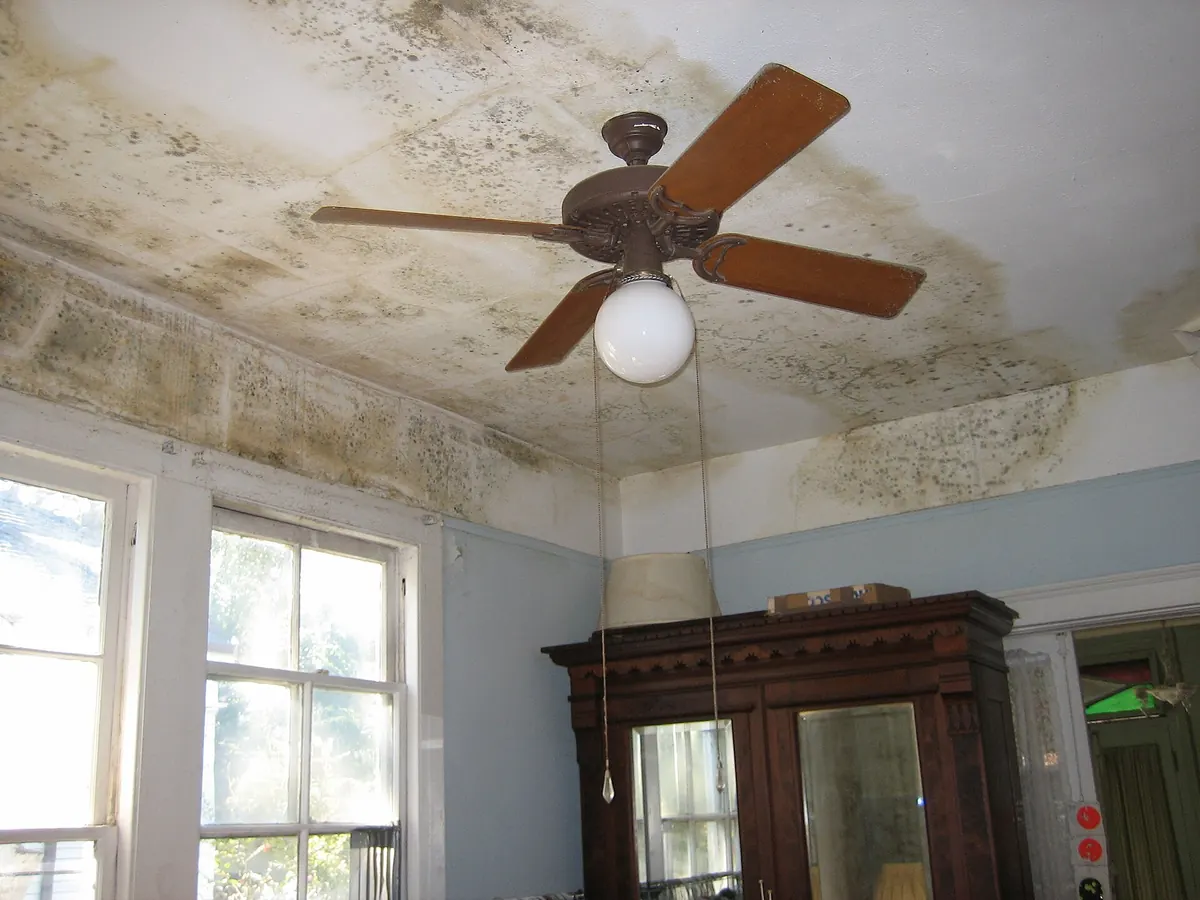
Mold After a Roof Leak Services in Glencoe
Your cleanup follows the water path through roof sheathing, rafters, insulation and ceiling drywall. Affected materials are assessed for removal or cleaning.
Water is traced along your framing into roof bays and ceiling cavities that can be accessed, past the mold you can see.
Damaged porous materials come out while sound wood receives cleaning followed by drying. Your scope documents remediation apart from roof repair and rebuilding. That separate work includes shingles, deteriorated roof decking and flashing.
- Ceiling and attic moisture assessment
- Wet insulation removal alongside damaged drywall removal
- Sound rafter and sheathing cleaning
- Protected paths for debris plus HEPA filtration
- Drying and final condition checks
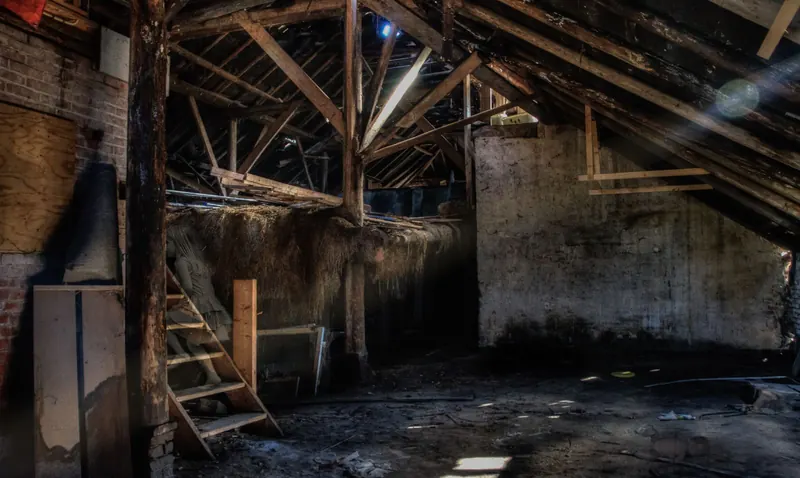
When You Need Roof Leak Mold Cleanup in Cook County
Your leak route may be damaged if insulation stays wet, stains recur or growth appears.
Attic Mold Beneath an Opening in Your Roof
Growth appears on sheathing or rafters near a vent or chimney.
Wet Insulation Above Your Ceiling
Insulation stays moist or looks compressed below your leaking roof.
Mold on Bathroom Ceiling Surfaces
Spots change after rain; shower humidity may also contribute to dampness.
Water Stains Return After Rain
After rain, your ceiling stain becomes darker and paint bubbles or drywall softens.
Musty Odor After Rain
Hidden wet materials may accompany an ongoing smell by your attic hatch.
The Roof Leak Mold Remediation Process in Glencoe
The last cleanup stages are drying and checks.
Ceiling and Attic Mold Assessment
Dampness in insulation, framing and ceiling surfaces is mapped using a moisture meter. Temperature variations can be located with a thermal imaging camera; mold identification is beyond the camera.
Leak Source and Cleanup Scope
The water path defines removal boundaries and separate roof leak repair. Before drying or enclosing replacement materials, water entry is brought under control.
Ceiling Mold Containment
Your work zone is separated with a containment barrier and poly sheeting. Negative air pressure, protective equipment and a HEPA air scrubber help keep particles from spreading.
Damaged Drywall and Insulation Removal
Moldy insulation is bagged along with damaged ceiling drywall within the contained area. Spread within your home is limited by protecting the debris path.
Retained Wood and Surface Cleaning
Sound rafters and sheathing receive HEPA vacuum cleaning and surface cleaning. Clean non-porous surfaces; removing growth remains necessary even with antimicrobial treatment.
Structural Drying
After removal and cleaning, the drying process uses a dehumidifier with controlled air movers for support. Moisture readings track progress in wood and cavities.
Post-Remediation Verification
Checks of moisture and appearance help assess completion. When specified, clearance testing is carried out independently by an assessor ahead of containment removal.
Containment Removal and Rebuilding Readiness
Containment is taken down following final checks. Replacement insulation and ceiling finishes proceed as separately scoped rebuilding once both the dampness and leak are resolved.
Reasons to Choose Chicago Mold Removal Services for Mold Following a Roof Leak
Roof Moisture First
The leak path guides your assessment past the visible staining.
Contained Ceiling and Attic Work
Protected access and HEPA filtration limit particle spread during overhead work.
Clear Mold Cleanup Scope
The separate roof repairs and boundaries for removal are set before work gets underway.
Removal Through Final Checks
Before dismantling containment, the completed removal, cleaning and drying work undergoes verification.
Calls Answered 24/7
Call one number at any hour to begin attic and ceiling cleanup throughout your metro.
Before Ceiling Leak Mold Cleanup in Cook County
Leave affected materials undisturbed and call 24/7.
- Stay clear of sagging ceilings. Keep people and pets away from damaged drywall and wet fixtures.
- Leave attic material in place. Avoid pulling insulation down or scraping any growth.
- Avoid roof access. Wet roofs and damaged decking need professional assessment.
- Keep suspect HVAC off. To avoid spreading mold, EPA advises keeping equipment off when you suspect mold contamination.
- Address fresh water damage promptly. EPA recommends a drying window of 24 to 48 hours for water-damaged areas and items to prevent mold growth.
Roof Leak Mold Remediation Cost in Glencoe, IL
Access and affected materials set your cost. Published price ranges apply to individual tasks rather than a combined quote.
Attic Mold Due to Leaking Roofs (Angi, 2025)
$1,000 to $4,000 per jobSource: PushLeads, Attic Mold Removal Cost (cites BUK Restoration and Angi) (checked 2026-10-23)Roof leak repair, fixes the cause not the mold
$400 to $2,500 per repairSource: Fixr, Mold Remediation Cost (checked 2026-10-23)New Insulation After Removal of the Old Insulation
$1 to $7 per square footSource: PushLeads, Attic Mold Removal Cost (cites BUK Restoration and Angi) (checked 2026-10-23)What Changes Roof Leak Mold Cost in Glencoe
- Containment and drying needs
- Attic access and debris route
- Affected area and material condition
- Independent assessment when specified
- Roof repair and interior rebuilding
Your Attic and Ceiling Cleanup Cost
These published national ranges are planning figures. Your on-site assessment defines the work and price before cleanup starts, including any separate source repairs or rebuilding.
Call (844) 352-3560 about costMold After a Roof Leak Service Area Across Chicagoland
Call (844) 352-3560 to arrange cleanup in Glencoe or nearby communities. One number covers the metro.
Mold After a Roof Leak in Locations Near Glencoe
ZIP codes
What People Ask About Mold After a Roof Leak in Glencoe
Is mold testing needed before or after cleanup?
EPA guidance says air sampling is often unnecessary when you have visible mold. Your cleanup boundaries are set through inspection and moisture readings. Completion following cleaning and drying is assessed by checking appearance and moisture. An assessor independent of the cleanup completes any specified clearance testing prior to containment removal.
What affects roof leak mold remediation cost in Cook County?
Insulation volume and the affected area influence your cost, together with the condition of wood and ceiling access. Published cards above separate attic cleanup from roof repair and replacement insulation. Assessing ceiling rebuilding is a separate step. Your scope defines the price and the work ahead of removal.
Can you remain in your home through ceiling leak mold cleanup?
Staying may be possible when rooms you occupy are kept apart from the work area. Overhead removal, shared ventilation and the debris route affect access restrictions. Some jobs require you to stay elsewhere temporarily; your household needs and home layout determine the arrangements.
How long can roof leak mold cleanup in Glencoe take?
Measured drying progress shapes your schedule, along with ceiling access and how much material needs removal. Less headroom in attics adds work. Roof repair, weather and agreed final checks affect when replacement insulation and ceiling finishes can go in. You cannot confirm dry materials just by looking at surfaces.
Does mold on ceiling from roof leak damage require removal?
Moldy ceiling drywall may need removal to reach affected insulation and framing. You can often clean and dry roof sheathing and rafters that remain sound. A stain alone does not establish cavity conditions. Your scope defines removal boundaries and separates roof repairs from cleaning.
After attic and ceiling cleaning, could mold grow again?
Mold may reappear when your roof continues leaking or you have another remaining moisture source. Your leak path is traced during assessment ahead of cleaning. Sound wood is cleaned and dried alongside leak correction. Replacement insulation and ceiling finishes follow drying and verification.
Does mold cleanup include repairing your leaking roof?
Only roof repair listed in your scope is included; the repair remains separate work. Your roofing contractor evaluates decking, shingles and flashing, with remediation defined through the indoor assessment. Before new insulation, drywall or paint encloses cleaned cavities, correct the source of water entry.
Insurance and Roof Leak Mold in Illinois
Homeowners insurance coverage depends on the leak cause, exclusions, mold coverage limits and deductible. Storm damage, roof repair and cleanup may receive different decisions.
Roof Leak Mold Safety Across Chicagoland
Containment reduces the spread of particles during removal of your damaged overhead materials.
Mold and Sensitive Occupants
CDC notes that mold can act as a trigger for allergy and asthma symptoms for some people.
Damaged Roof Support
Cleaning cannot restore decking or framing that has weakened; structural damage requires a repair assessment.
Hidden Ceiling Mold
The patch you see may reveal only part of the growth within the cavity.
Overhead Removal
Access beneath the work area and control of debris depend partly on wet drywall and insulation.
Cleanup scope: For areas under about 10 square feet, EPA says homeowner cleanup is often possible. Larger areas, HVAC systems or mold from contaminated water call for professional help; ceiling access hazards also matter.
Roof Leak Mold Materials Cleaned or Removed in Cook County
Material condition determines cleaning or replacement.
Sound attic wood
- If their condition permits, rafters and roof sheathing undergo cleaning and drying.
Damaged porous materials
- Moldy drywall, ceiling tiles or insulation may require removal, whereas damaged decking needs assessment for roof repair.
Non-porous surfaces
- Porous layers beside accessible metal and glass receive separate assessments as the metal and glass are cleaned.
Time Needed for Roof Leak Mold Cleanup in Cook County
Your schedule follows leak control, access and measured drying progress.
- Roof access and weather: Weather influences access needed for leak repair.
- Concealed damage: Hidden damage may mean a larger area needs cleanup.
- Drying and reconstruction: Moisture readings determine rebuilding readiness.
Chicagoland Odor Concerns With Roof Leak Mold
Musty odor is investigated along your leak path. Fragrance does not correct damp insulation or hidden growth.
For indoor relative humidity, EPA advises staying below 60 percent; 30 to 50 percent is ideal. Neither dehumidification nor humidity control fixes your roof opening.
Roof Leak Mold Cleanup in Illinois: Required Conditions
Mold Work Requirements
Illinois does not currently require mold remediation professionals to hold a state license. A Mold Remediation Registration Act (Public Act 103-0893) has passed, but the Illinois Department of Public Health says registration is not required until it finishes its rulemaking, so check its page for updates. If you are hiring someone, ask about their training and experience, and check your local contractor rules.
Roof and Ceiling Repairs
Required permits depend on whether the work includes structural, roofing or electrical tasks.
Mold Sampling Limits
For mold levels indoors, EPA establishes no federal limit.
State Mold Information
The Illinois Department of Public Health Toxicology Program answers mold questions mostly by phone and email ([email protected]) and posts mold fact sheets, FAQs, and exposure tips. Onsite visits are limited to special cases.
State guidance: IDPH: Mold Remediation Registration; IDPH: Indoor Air Quality and Healthy Homes
Related Services and Next Steps
Start Your Mold After a Roof Leak in Glencoe
Call 24/7 to arrange your assessment. Your cleanup starts with the affected surfaces, moisture source and access to your home.